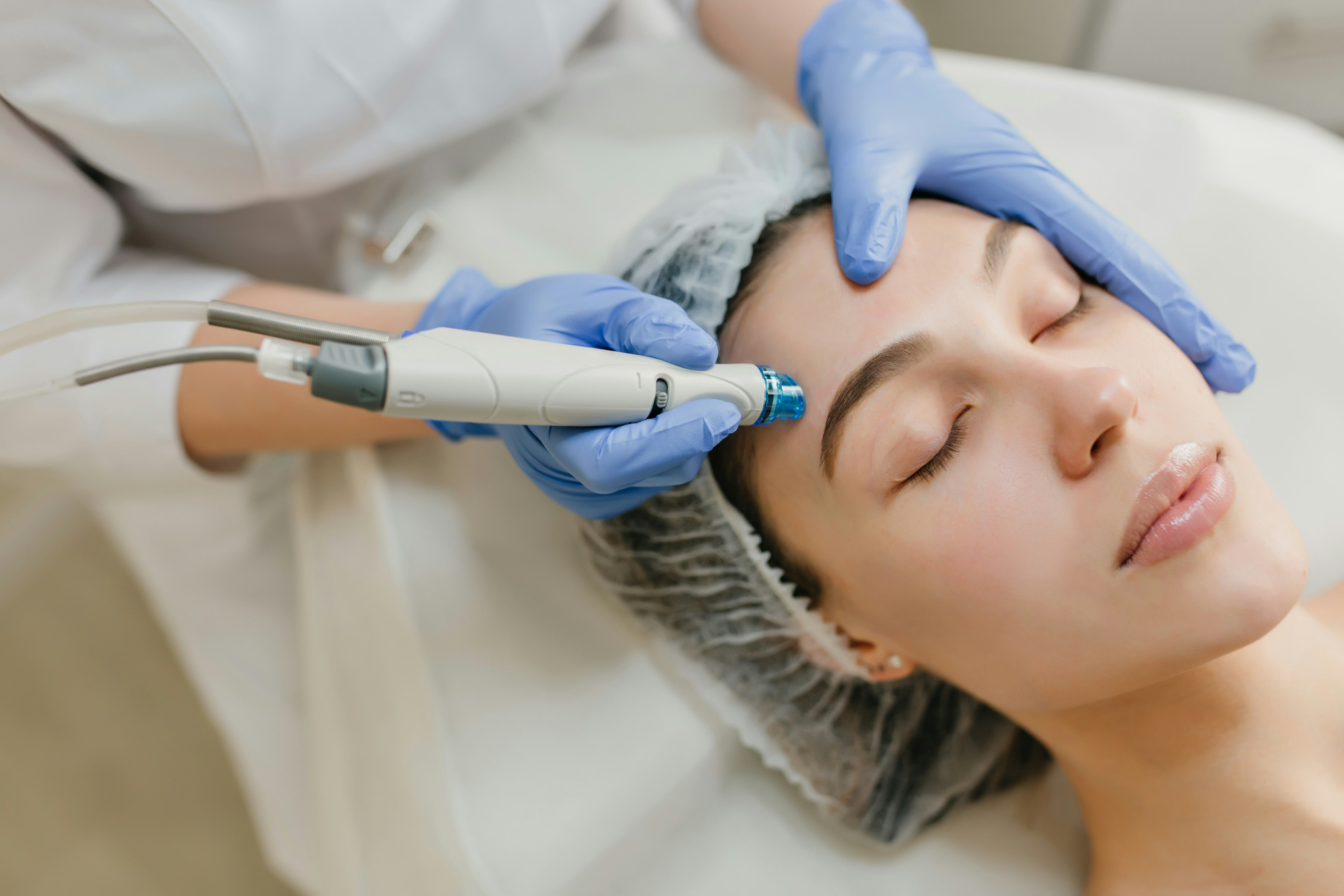
Unwanted facial hair is one of the most emotionally charged grooming concerns women face, and yet it is also one of the least talked about openly. Whether it is a fine upper lip shadow, persistent chin hairs, sideburns, or coarser growth along the jaw that arrives with hormonal changes, the daily or weekly management of facial hair takes up more mental energy than most women want to admit.
Laser hair removal offers a genuine, long-term solution for many of these concerns. This article covers facial hair removal for women, including which facial areas respond best to laser treatment, what realistic expectations look like, how many sessions to plan for, and what makes facial laser different from treating the body.
Which Facial Areas Laser Can Treat
Upper Lip
Upper lip hair removal is one of the most commonly requested facial laser treatments. Fine or dark hair above the lip can create a shadow that is visible in photographs and in certain lighting, and the daily maintenance of threading, waxing, or bleaching becomes its own source of frustration. Laser delivers permanent reduction in this area over a complete treatment course, and most patients see results after just two to three sessions.
Chin and Jawline
Coarse chin hairs and hair along the jawline are among the most distressing facial hair concerns for women, particularly those experiencing hormonal changes related to PCOS, perimenopause, or post-pregnancy shifts. Laser can significantly reduce hair density and coarseness in these areas, though hormonally driven zones may require additional sessions and ongoing maintenance.
Sideburns and Cheeks
Fine hair along the sideburns and on the cheeks is a slightly more nuanced area for laser treatment. Traditional laser technology targets pigment in the follicle, which means it is most effective on darker, coarser hair. Very fine, light vellus hair may not respond as predictably, and some patients find that treating this area requires careful selection of both device and settings.
Neck and Under the Chin
Neck hair removal addresses hair on the front of the neck, under the chin, and on the lower jaw, which is common and often accompanied by chronic ingrown hairs from regular shaving or tweezing. Laser eliminates the follicle activity driving the ingrowns and produces a permanently cleaner neckline over the course of treatment.
How Facial Laser Differs from Body Laser
The face is significantly more sensitive than the body, and facial laser treatment requires more precision and more conservative settings than a back or leg session. The skin is thinner, the treatment areas are smaller and more defined, and the visibility of the result means that technique and judgment matter even more than they do for body treatments.
This is one of the most important reasons to choose a provider with specific experience in facial laser rather than a clinic that primarily treats body areas. According to Cleveland Clinic's guide to laser hair removal, facial treatments require individualized device settings based on hair color, hair thickness, and skin tone to ensure both safety and efficacy.
How Many Sessions Facial Laser Takes
Most women require six to eight sessions for facial areas, spaced four to six weeks apart. Hormonally influenced zones like the chin and jawline may require additional sessions and ongoing maintenance, particularly for women with PCOS or going through perimenopause.
Upper lip treatments tend to be among the fastest areas to respond, with many patients seeing significant reduction by sessions three or four. The result may not be 100 percent permanent for hormonally active areas, but the meaningful reduction in density, coarseness, and frequency of daily management is significant enough to be life-changing for most patients.
What Happens If Hair Is Driven by Hormones
Hormonal hair growth is the most important variable to discuss before beginning facial laser treatment. Conditions like polycystic ovary syndrome, perimenopause, and thyroid imbalances can activate dormant follicles in the chin and jaw area even after successful laser treatment of existing hair. This does not mean laser does not work. It means the underlying hormonal environment continues to recruit new follicles over time.
Women with these conditions often achieve excellent results with laser but should plan for ongoing maintenance sessions and ideally manage the underlying hormonal condition alongside their laser course. A candid provider will discuss this during consultation rather than promising a fixed session count and a permanent endpoint.
Sun Sensitivity and Skin Preparation
The face is the most sun-exposed area of the body, which makes pre-treatment skin preparation particularly important for facial laser. Tanned or sun-damaged skin is more reactive to laser energy and more likely to experience post-inflammatory pigmentation changes, particularly in patients with darker skin tones.
Most clinics recommend avoiding direct sun exposure and using a broad-spectrum SPF 30 or higher daily for at least two weeks before facial laser sessions begin. Retinoids and certain exfoliating products should typically be paused in the week before treatment. Your provider should give you clear written guidance before your first session.
What to Expect from Results
For most women, a complete facial laser course produces a meaningful, lasting reduction in hair density and coarseness in the treated areas. The upper lip and neck tend to show the most consistent results. The chin and jaw show excellent results during the course of treatment, with some ongoing maintenance needed for hormonally active patients.
The emotional impact of reducing facial hair management is one of the most valued outcomes patients describe. Fewer people talk about the confidence difference that comes from not having to plan social events around threading appointments, or from looking in the mirror without checking for chin hairs. That quality-of-life dimension is real and is a legitimate part of why this treatment is worth considering seriously.
Choosing the Right Provider for Facial Laser
Facial laser requires a provider with specific experience in treating this area, an appropriate device for your skin tone, and a thorough consultation that accounts for any hormonal factors in your history. Look for a clinic that discusses the hormonal context honestly, uses technology suited to your specific skin and hair type, and will not overpromise a permanent endpoint for areas where ongoing maintenance is realistic.
At Kami Aesthetics, facial laser hair removal consultations are designed to identify your specific hair type, skin tone, and hormonal considerations before designing a treatment plan. The goal is always a realistic, honest conversation about what you can expect rather than a package sold on promises that may not match your individual situation.