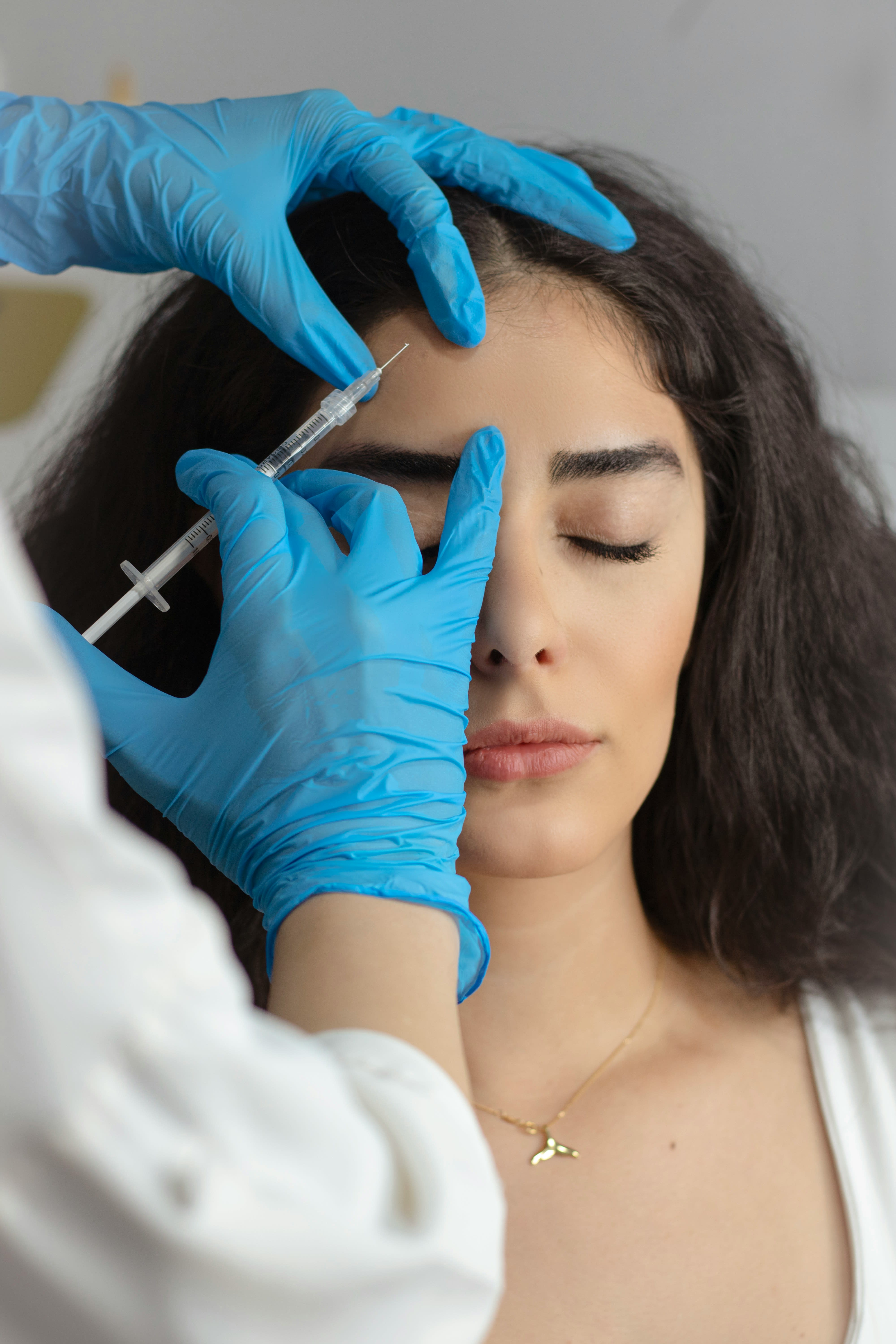
Before and after photos of Botox forehead treatments circulate everywhere online, and the range of results they show is enormous. Some look naturally refreshed and almost impossible to identify as treated. Others look frozen, heavy, or unnaturally smooth in a way that reads as obvious. Most people looking at those images do not realize that the difference between them is almost never the product. It is the provider, the dosing, and the approach.
This article walks through what realistic forehead Botox results actually look like before and after treatment, what changes, what does not, and how to set honest expectations so that what you see in the mirror two weeks after your appointment is exactly what you were hoping for.
What the Forehead Looks Like Before Botox
Most patients considering Botox for their forehead have one of two concerns: horizontal lines that appear when they raise their eyebrows, lines between the brows that form when they frown, or both. Some patients have lines that are only visible during expression, which are called dynamic lines. Others have lines that remain visible even when the face is at rest, which are called static lines.
The distinction matters because Botox addresses dynamic lines most directly and most effectively. Static lines, which have been etched into the skin over years of repeated movement, can soften with consistent Botox use over time, but they will not disappear after a single treatment. A thoughtful injector will be clear about this distinction during consultation.
What Changes After Botox: The Honest Picture
What Improves
After a properly dosed Botox treatment, the horizontal forehead lines that appeared with expression will be significantly softened or no longer visible when raising the brows. The frown lines between the brows will relax, making the resting face appear less tense or stern. The overall quality of the forehead skin improves gradually with consistent treatment as the repeated folding that created those lines is reduced.
Patients often report that people around them comment that they look well rested or refreshed without being able to identify exactly what has changed. This is generally considered the gold standard outcome: a result so natural that the treatment is invisible, but the person looks noticeably better.
What Does Not Change
Deep static lines that were already present at rest will soften but typically will not disappear after a single treatment course. Sun damage, texture irregularities, and pigmentation concerns are not affected by Botox, which addresses muscle movement only. Volume loss in the upper face is not addressed by Botox. Patients who notice hollowing around the temples or eyes alongside their forehead lines may benefit from a combination approach that includes both Botox and subtle filler.
The Timeline: When Results Appear and When They Peak
Botox results are not visible immediately after injection. The toxin needs time to bind to the targeted nerve terminals and begin inhibiting muscle contraction. Most patients begin noticing subtle changes between days three and five, with full results visible around days ten to fourteen.
The two-week mark is the appropriate time to assess your result. Results then last three to four months on average before muscle activity gradually returns. According to the Mayo Clinic's overview of Botox injections, the duration of cosmetic effect is approximately three to four months in most patients, consistent with decades of clinical use and patient data.
Why Before and After Photos Can Be Misleading
Online before and after images deserve a healthy degree of skepticism. Lighting, angle, facial expression, and editing all affect how dramatic a result appears in a photograph. A softened forehead can look completely invisible in unflattering lighting and remarkably dramatic in ideal lighting with no other variables changed.
The most meaningful before and after comparison is your own face, in the same lighting, at the same expression, two weeks after treatment. That comparison, more than any photo from a clinic's portfolio, tells you what Botox has actually done for you specifically.
It is also worth noting that the most natural-looking results rarely produce dramatic before and after photos. The whole point of well-executed forehead Botox is that the change is subtle enough to be undetectable as a procedure, which means the photos that look the most impressive are often not the most representative of what excellent outcomes look like.
The Difference Between Good and Poor Results
Good forehead Botox results preserve natural movement while softening lines. The patient can still raise their eyebrows. The brows sit in a natural position. The face looks refreshed, rested, and slightly younger without looking treated. Expression is preserved.
Poor results typically stem from overdosing, incorrect placement, or inadequate assessment of the individual's anatomy. A forehead that cannot move at all, brows that have dropped or feel heavy, or a smooth forehead that sits above an overly expressive mid-face all indicate technique issues rather than product issues. The same Botox that produces a frozen look in poorly executed treatments produces a natural, invisible result when administered correctly.
How Results Improve with Consistent Treatment
One of the most important and least-discussed aspects of Botox before and after is the cumulative improvement that comes with consistent, repeated treatment over time. The first session softens existing lines. The second softens them further and begins to slow the formation of new ones. Over several years of regular treatment, the muscles responsible for forehead lines become incrementally less dominant, requiring fewer units to achieve the same effect.
Patients who have been receiving consistent Botox for several years often describe their skin looking measurably better than untreated peers their own age, not because the Botox has done anything extraordinary, but because years of reduced muscle activity have prevented the progressive deepening of lines that accumulates with age.
What to Discuss in Your Consultation
A thorough consultation for forehead Botox should include an assessment of your facial movement patterns, a discussion of whether your lines are primarily dynamic or static, a recommendation of specific unit count and injection points, and a clear conversation about what your result will and will not look like.
Bring any reference images that represent the kind of result you are aiming for. Reference images that show natural, subtle improvement are more useful than dramatic transformations, as they help your injector calibrate to your aesthetic goals. Kami Aesthetics provides Botox consultations that include a two-week follow-up built into every appointment, so you can evaluate your before and after result with your injector and discuss whether any refinement would enhance the outcome.