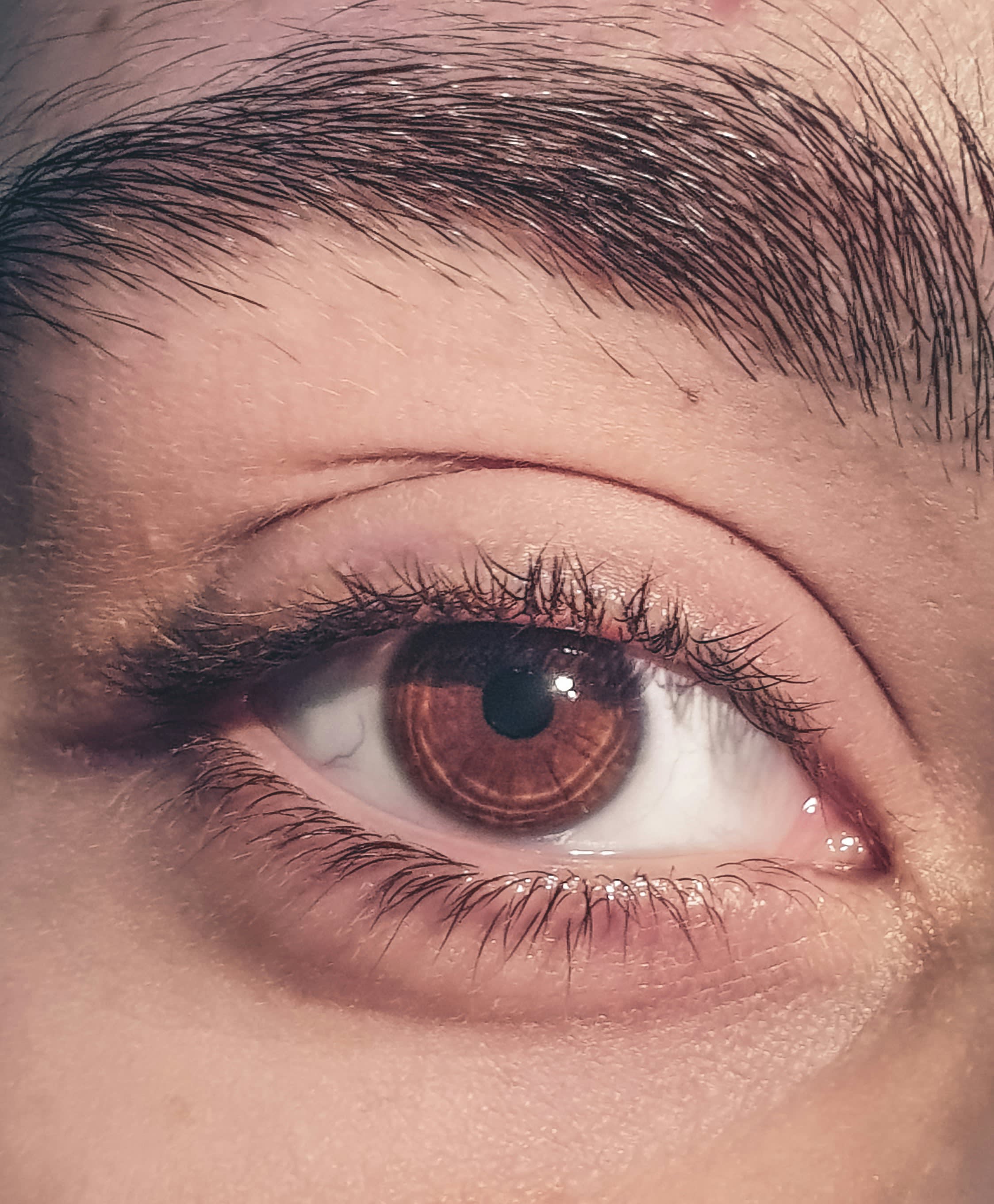
"Eyebrow laser hair removal" sounds like it might mean lasering off the entire eyebrow, and that assumption stops a lot of people from ever asking about it. In practice, the goal is almost always more specific than that. Most people pursuing this treatment want to stop tweezing stray hairs between the brows or along the edges, while a smaller number want a more complete reduction of hair in the area for a different aesthetic reason, such as relying on makeup or microblading to define their shape instead. Because this area sits so close to the eyes, safety is also a fair and common concern people bring up before booking. This article breaks down the real difference between shaping and full removal, what safety around the eyes actually involves, and how to know which goal is realistic for your own brows.
What "Eyebrow Laser Hair Removal" Actually Means
There are two distinct goals that fall under this same general term, and confusing them is where most misunderstandings start. Shaping, sometimes called maintenance treatment, targets only the hair growing outside the desired brow shape, typically the area between the brows and any stray hairs above or below the natural arch, while the hair within the brow itself is left completely untouched. Full removal is less common and involves reducing hair across the entire brow area, usually chosen by people who prefer to define their brow shape entirely with makeup or microblading rather than natural hair. A provider maps out the exact treatment area based on which of these goals someone actually has, rather than treating the brow as a single uniform zone to be cleared. Getting this distinction clear before the first session is the difference between ending up with the outcome someone actually wanted and being caught off guard by it later.
What to Expect: Precision, Sessions, and Eye Safety
Because the treatment area sits close to the eyes, providers use protective measures as a standard part of the process, not an optional add-on reserved for cautious cases. Metal eye shields placed directly over the eyes are common practice in professional settings. Properly fitted shields have been shown to reduce the risk of eye injury to nearly zero, which is why a trained provider will never skip this step regardless of how small or routine the treatment area looks. Kami Aesthetics follows this same protocol on every facial treatment near the eyes, treating it as a non-negotiable part of the process rather than a formality to rush past. As with other areas, the laser only affects follicles that are in an active growth phase, so multiple sessions spaced a few weeks apart are needed regardless of whether the goal is shaping or full removal. Sessions themselves are brief given the small treatment area, and discomfort is typically described as a quick pinching or snapping sensation rather than anything severe.
Who Should Consider Shaping vs. Full Removal
Shaping tends to suit anyone who currently tweezes, threads, or waxes stray hairs on a regular basis and wants to stop that routine while keeping their natural brow shape intact. It is a strong fit for people who already like their eyebrow shape and just want less upkeep around it, rather than a change to the shape itself. Full removal fits a smaller, more specific group, generally people who consistently fill in their brows with makeup or have had microblading done and find natural brow hair more of an obstacle than an asset at this point. For eyebrow hair removal of either kind, a consultation should always cover exactly where treatment will and will not be applied. Laser is generally not used directly along the lash line for safety reasons, so anyone hoping to reshape that specific edge should expect that area to still be handled with tweezing or threading rather than laser.
Cost and Value: Small Area, Long-Term Payoff
The eyebrow area is small, which generally keeps the per-session cost more modest than larger facial or body areas. The more meaningful comparison is against years of recurring threading, tweezing, or waxing appointments, all of which continue indefinitely without ever reducing how much hair grows back in the first place. A defined course of laser sessions has an endpoint, after which most people need only occasional touch-ups rather than a standing monthly appointment on the calendar. At Kami Aesthetics, that course is discussed clearly at the consultation, including a realistic session count based on hair density and goals, so there are no surprises partway through treatment. The value shows up less in the price of one visit and more in no longer needing to think about brow maintenance between appointments at all.
Common Misconceptions About Brow Laser
A few misconceptions come up often enough to address directly. The first is that laser will remove the entire eyebrow and leave nothing behind, when in practice treatment is targeted specifically to the areas outside the desired shape, or applied gradually and monitored closely for full removal cases. The second is that treatment this close to the eyes is inherently unsafe, when in reality standard eye protection protocols make it a routine, well-established part of professional practice. The third is that one session is enough to see final results, when the reality is that hair growth cycles mean several sessions are needed regardless of which area is being treated. Understanding these points ahead of time makes the actual experience far less intimidating than the idea of it tends to be.
Getting the Shape You Actually Want
The distinction between shaping and full removal matters because it changes both the treatment plan and the expected outcome. Most people are looking for the former: less daily maintenance without losing their natural brow shape in the process. Kami Aesthetics starts every consultation by clarifying which of these two goals someone actually has, since that single decision shapes everything else about the treatment plan going forward. For anyone who has spent years tweezing the same handful of stray hairs, a clear conversation about shaping versus full removal is usually the fastest way to a lower-maintenance routine.